What is graffiti?
I understand all the issues with vandalizing someone else’s property, and I’m all for NOT doing that. However, not all of what we call “graffiti” is the same thing: in my mind urban art involves tagging, stylized lettering, and commissioned murals.
According to the interwebs, “Tags are a primary form of modern graffiti, serving as stylized signatures for artists. They are typically simple, quick to execute, and often consist of 3-5 letters or digits, prioritizing flow and style.”
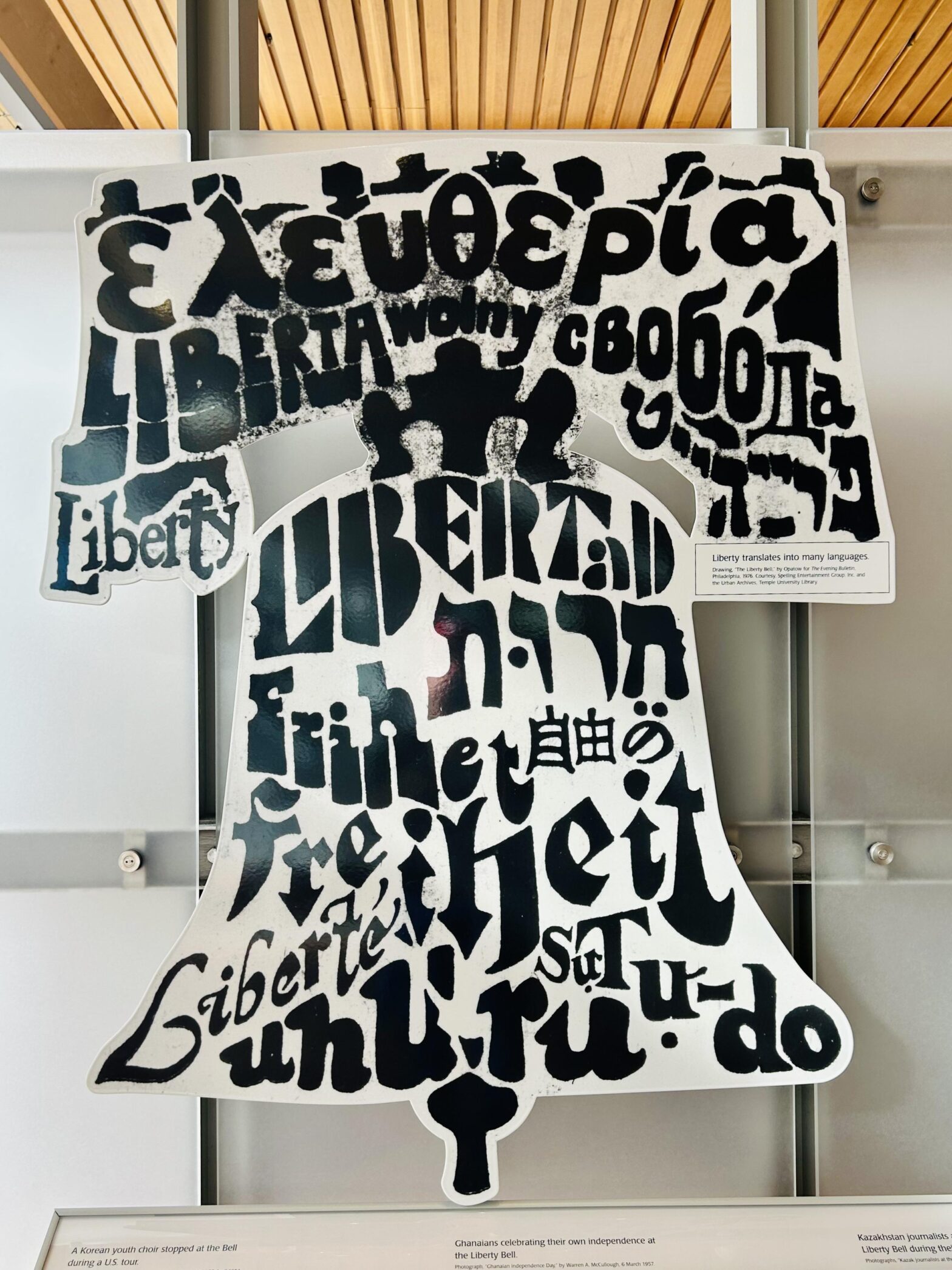
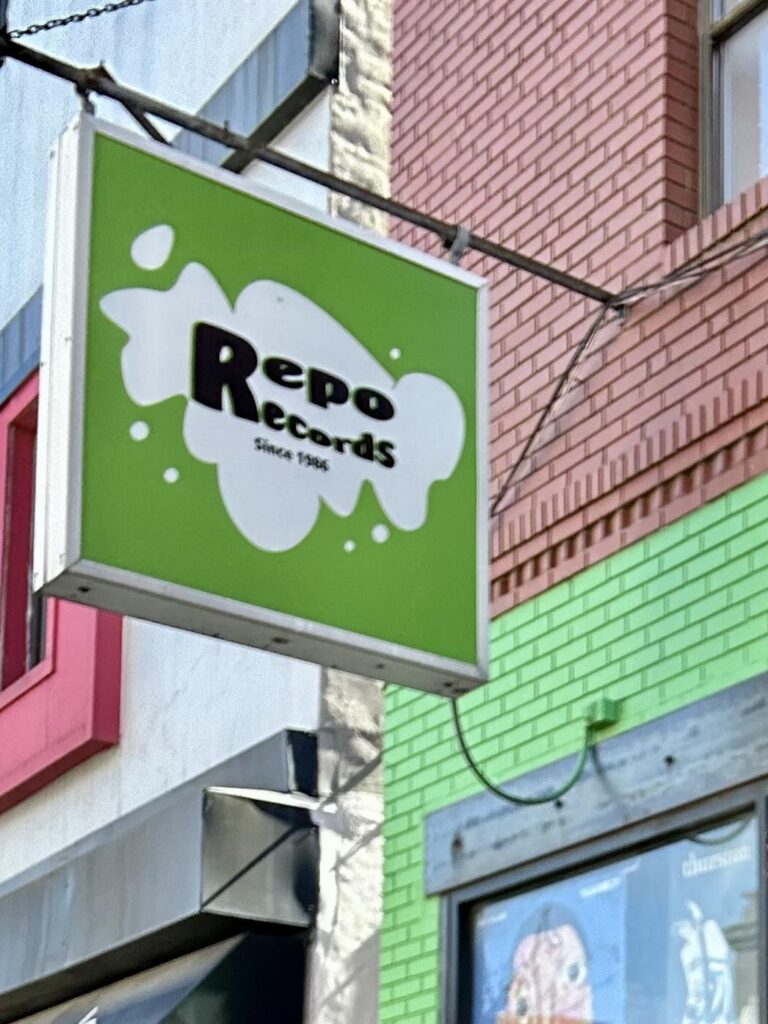
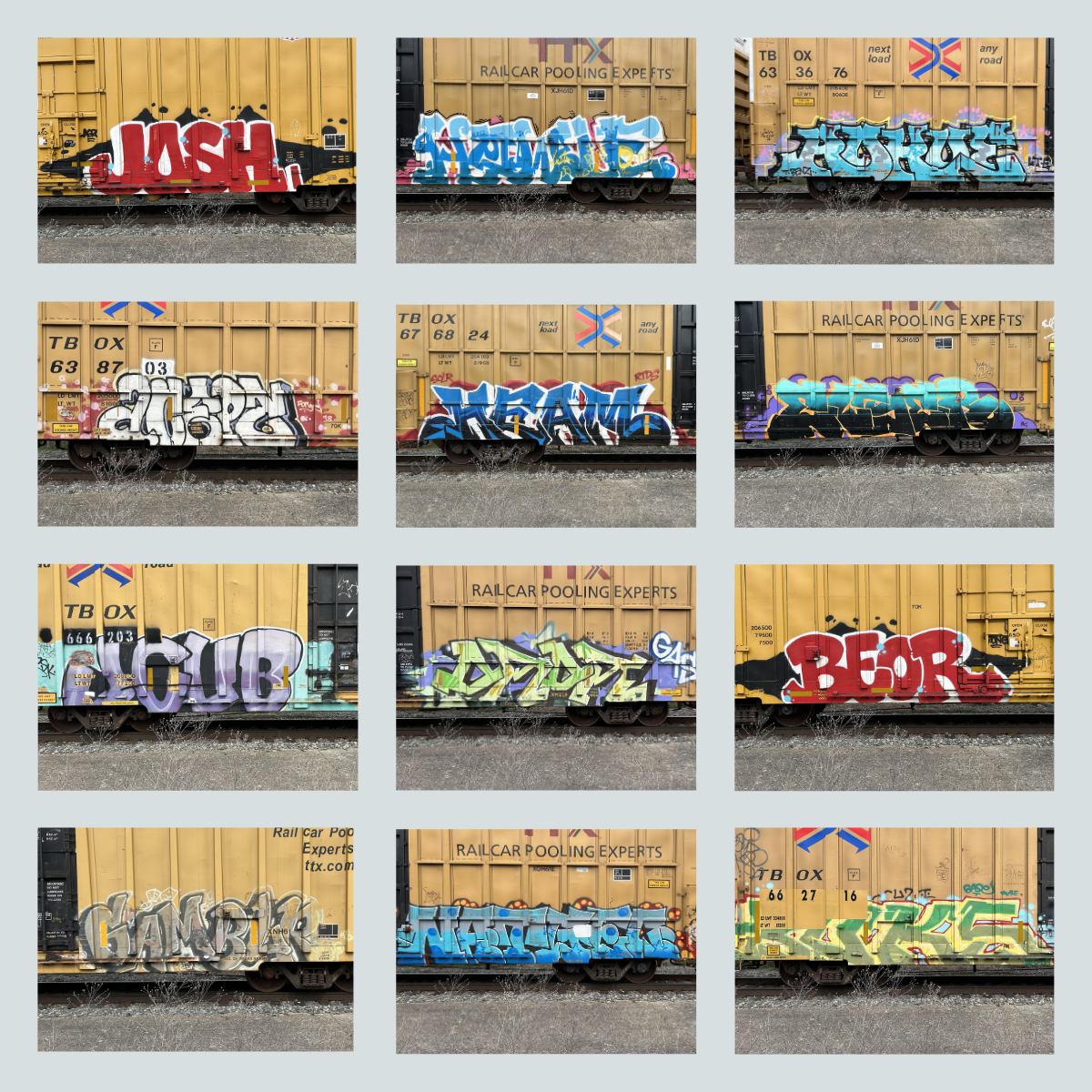
Then there is the stylized lettering shown here that, also according to the interwebs, “is a valuable form of expression that adds character and vibrancy to urban environments”.
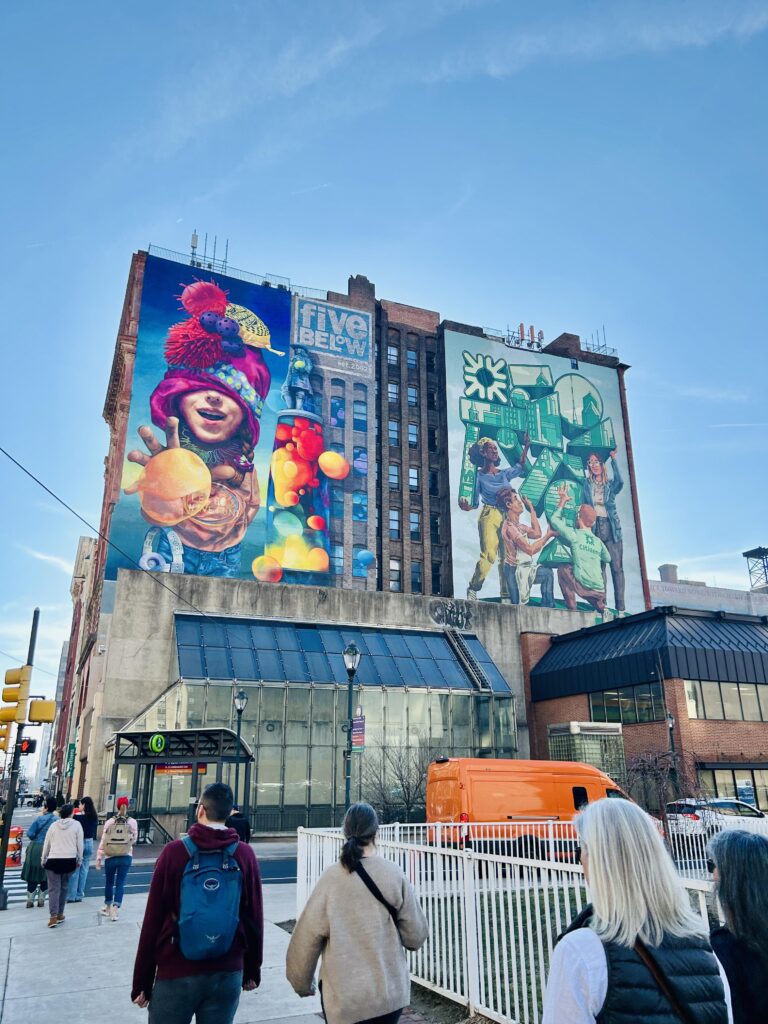
Also this about murals: “A blank concrete wall gets tagged overnight. The city paints over it. Two weeks later, more graffiti appears. This cycle repeats endlessly in neighborhoods worldwide. But some cities discovered something strange: cover that same wall with a professional mural, and the vandalism often stops. Murals reduce crime in ways that have nothing to do with surveillance cameras or police patrols.”
Now, the photos I took that are shown here are from a passing train in downtown Lynchburg on it’s way to the coast of Virginia. Technically, it’s still illegal graffiti, but the art does not reside in any one locality, so following through with arrests are not going to happen. Which is why we have art like these on trains.
My thoughts?
Yes, I know the graffiti shown here is illegal, but I can’t look away. I think it’s pretty. Both things are true at the same time.
I also think commissioned murals and stylized lettering raise important points about our culture and public art. There is a need in people’s soul to see beautiful things and to express ourselves, too. There’s also the need to rebel against rules and I get that part of the discussion as well. I wonder at the root if the graffiti artists wish their surroundings didn’t look so blah and cold and functional and want something colorful, artistic, and slightly random to decorate our spaces.
So what to do?
I think having more spaces in urban settings for artistic self-expression would be nice. Lynchburg does this with sewer drains and an ongoing public art program! It satisfies some of the pent-up frustration of artists with the condition of our modern skylines.